Empathy
Intelligent living
Author: Hari Charan
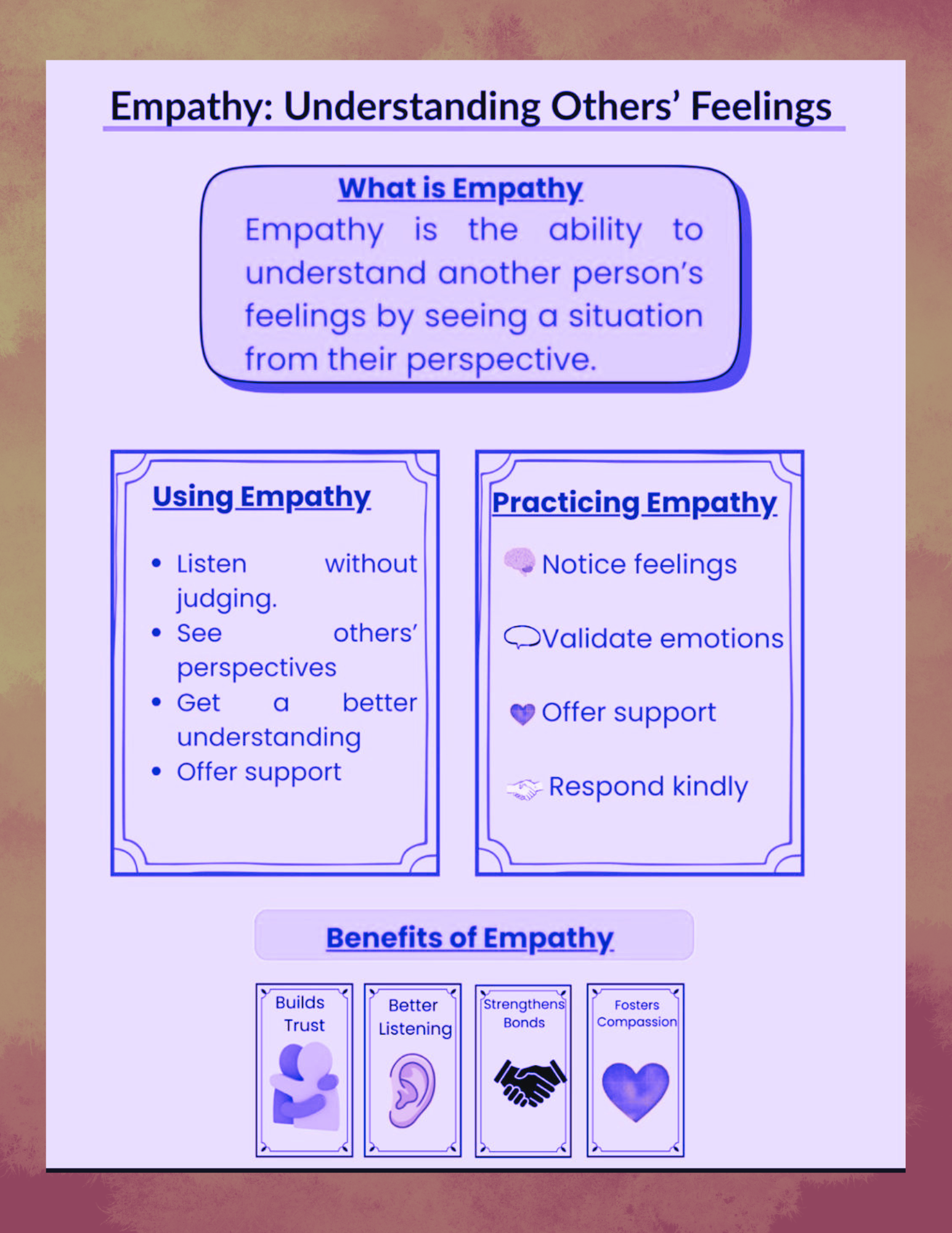
Empathy - The art of deep human connection!The quiet art of being fully present without the noise of judgement or the urge to fix. By mastering the ability to listen and validate others, we bridge the gap between simple conversation and true belonging. These authentic relationships aren’t just social wins they are the primary architects of our long-term happiness. When people think of the word empathy, they often get confused with sympathy. While they both sound kind of the same, they mean something totally different. Sympathy is when you recognize that someone is hurt, but you’re kind of standing outside their experience. This means that you are feeling with them and not for them. For example, let’s say that someone you know got into a car accident. Feeling sympathy for them would be saying things like “Oh, I’m sorry this happened to you.” Empathy on the other hand is when you try to understand or imagine what they’re feeling and connect inside their experience. Take the same car accident example, if you were empathizing for someone, you would say, “That sounds painful. I can see why you’d feel that way.” It is important that humans feel empathy towards others because it can make others feel like you care for them and that you are feeling for what is going on with them.
So empathy is a respectful understanding of what others are experiencing, by emptying our mind and listening with our whole being. We often tend to give advice, offer reassurance or explain our own feelings. Empathy is none of the above, it is giving our space and time to someone so they can openly express and feel understood. There is a Buddhist saying that describes empathy to the point - “Don’t just do anything, stand there.”
Real life example
Mr. Ramanujam usually quotes this example for demonstrating empathy. On Valentines Day, after a long day at work, a husband goes to the grocery store to buy his wife a bouquet of flowers. Despite the long checkout line, he still decides to buy the flowers for his wife. When he gets home, he very eagerly shows his love to his wife and hands her the flowers telling her how he waited in line for them. He expects her to happily take them and say something like “Oh thank you for waiting in line to buy the flowers.” Instead, she says that he could have ordered them online. All the husband expected was for her to care for his efforts and feel with him. The moral of this story is that if someone is telling you with emotions and feelings, you should reflect these feelings back to them.
Tips to implement empathy
When someone is narrating a story with strong emotions. Don’t have a thinking mind. Instead, have a listening ear and just listen to what they are saying. If you have any advice for them, hold on to it for another time, ask before offering advice or reassurance as the speaker may not be in the situation to take advice from you.an Raman