Man’s Search for Meaning
BOOK REVIEW
AUTHOR - SHRIYA SRINIVASAN
Book summary – Man’s search for meaning by Viktor E. Frankl
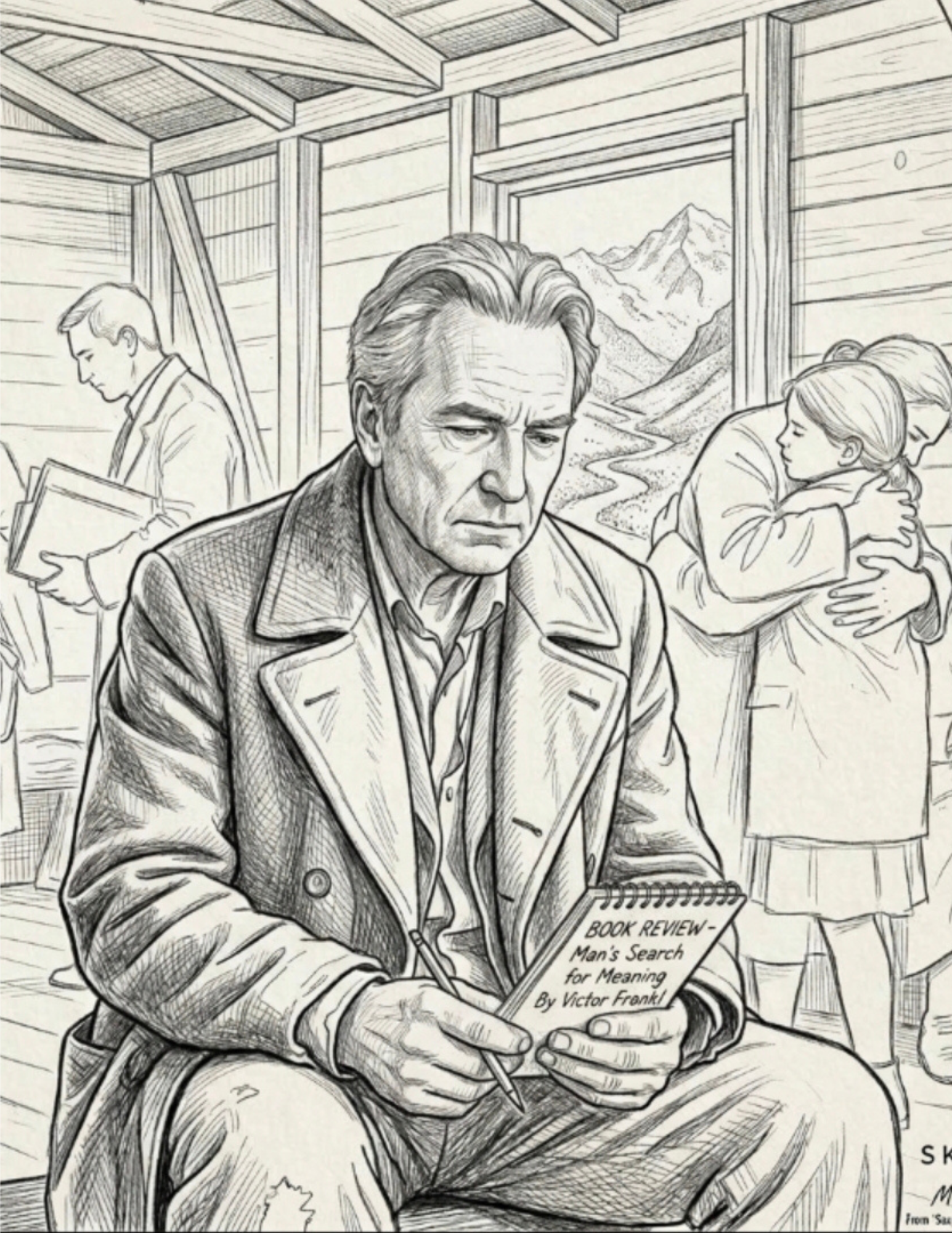
At the heart of the book is the idea: Those who know their “why” can endure the most difficult and testing moments of their life than those who don't.Man’s Search for Meaning is an explorative essay on human willpower and resilience in the face of adversity. Viktor Frankl, himself a neurologist, talks in detail about life in the Auschwitz concentration camp and analyzes how different people facing similar situations reacted differently to the challenges. First published in 1946, the book is equal parts memoir and psychological analysis.
At the heart of the book is the idea that anyone who has a purpose in life those who know their “why” can endure the most difficult and testing moments of life far better than someone who lacks a sense of purpose. As simple as this sounds, more often than not people find themselves desperately searching for their life’s purpose, even when they already possess everything that most people desire. In the opening chapters, where the author describes how prisoners in Auschwitz confronted unimaginable hardships, one striking quality that distinguished the survivors from others was not necessarily their physical strength, but their reason to survive. Those who had a reason to endure did so despite severe physical weakness.
In the latter half of the book, Frankl discusses logotherapy, an existential theory he developed before and after his time in the camps. The fundamental idea of logotherapy is that life has meaning under both desirable and undesirable circumstances, and that the primary motivation of human beings is the search for meaning. For many of us today, even when we have a successful career, a family, and financial comfort, we may still feel as though something is missing. We continue searching for the deeper reason why we exist. When that purpose remains unclear, life can feel unbearably heavy. Much of our anxiety and depression may also stem from this lack of purpose or sense of direction.
At fewer than 200 pages, this book packs a lifetime of wisdom. It has been translated into more than 50 languages and has sold over 16 million copies worldwide. Even nearly 80 years after its publication, its words continue to resonate strongly with readers across generations. If you find yourself searching for thoughtful insights from someone who has experienced profound suffering, survival, and reflection, this book is a powerful next read.